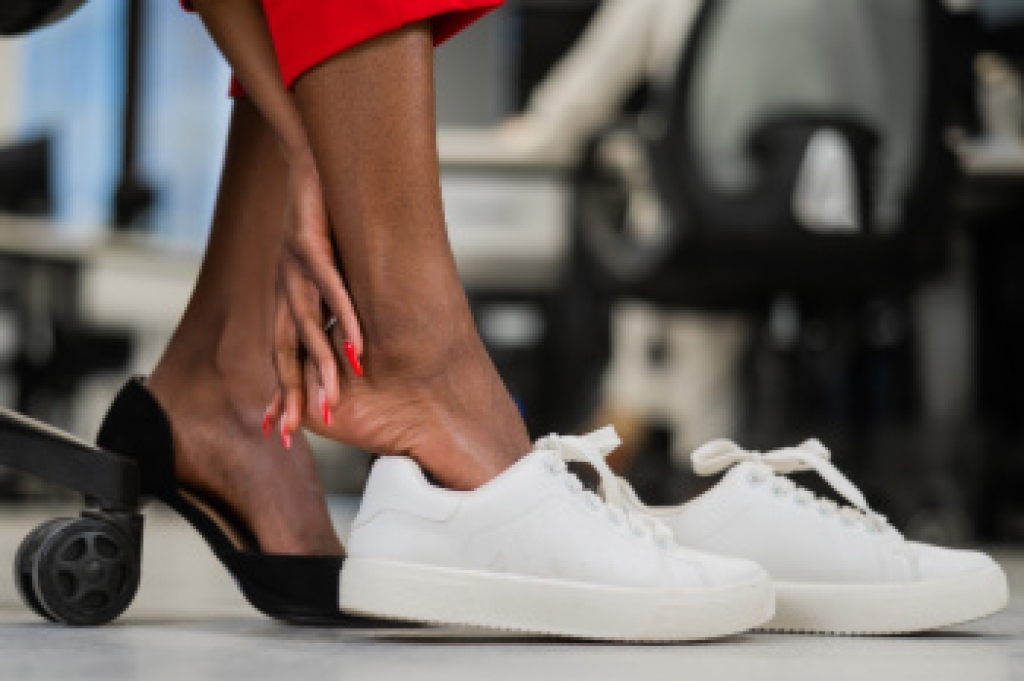
Common Causes of Foot Pain and How They Affect Daily Movement

Foot pain is a broad term that describes discomfort in any part of the foot, including the heel, arch, toes, or outer edge. It can result from structural issues, nerve compression, or joint degeneration. Conditions such as tarsal tunnel syndrome, arthritis, and cuboid syndrome are common contributors to persistent pain. Foot pain can also develop from lifestyle habits, including wearing high-heeled shoes that place excess pressure on the forefoot and alter natural foot alignment.

Symptoms of foot pain vary depending on the underlying condition. Tarsal tunnel syndrome often presents as burning, tingling, or numbness along the inner ankle and sole due to nerve compression. Arthritis may cause stiffness, swelling, and reduced joint mobility, especially in the morning. Cuboid syndrome is associated with pain along the outer side of the foot, often described as a sharp or aching sensation during weight bearing. Arch-related discomfort from high heels can lead to fatigue, instability, and strain across the midfoot.


Several risk factors increase the likelihood of developing foot pain. Prolonged standing, high-impact activities, and poor footwear choices can all place excessive stress on foot structures. Individuals with flat feet or high arches may experience uneven weight distribution, which contributes to strain and injury. Wearing high-heeled shoes regularly can shorten the Achilles tendon and increase pressure on the forefoot, leading to long term biomechanical issues. Age, weight, and previous injuries also play important roles.


The causes of foot pain are often linked to repetitive stress, improper alignment, and underlying medical conditions. Early recognition and proper care are essential for maintaining mobility and preventing progression. Wearing supportive footwear, stretching, and professional evaluation can help address the root cause. If you experience any type of foot pain, it is suggested that you consult a podiatrist for an accurate diagnosis and appropriate relief and  treatment solutions.

Foot Pain

Foot pain can be extremely painful and debilitating. If you have a foot pain, consult with David Mansky, DPM from Mansky Podiatry. Our doctor will assess your condition and provide you with quality foot and ankle treatment.

Causes

Foot pain is a very broad condition that could be caused by one or more ailments. The most common include:

  • Bunions
  • Hammertoes
  • Plantar Fasciitis
  • Bone Spurs
  • Corns
  • Tarsal Tunnel Syndrome
  • Ingrown Toenails
  • Arthritis (such as Gout, Rheumatoid, and Osteoarthritis)
  • Flat Feet
  • Injury (from stress fractures, broken toe, foot, ankle, Achilles tendon ruptures, and sprains)
  • And more

Diagnosis

To figure out the cause of foot pain, podiatrists utilize several different methods. This can range from simple visual inspections and sensation tests to X-rays and MRI scans. Prior medical history, family medical history, and any recent physical traumatic events will all be taken into consideration for a proper diagnosis.

Treatment

Treatment depends upon the cause of the foot pain. Whether it is resting, staying off the foot, or having surgery; podiatrists have a number of treatment options available for foot pain.

If you have any questions, please feel free to contact our office located in Hastings, MI . We offer the newest diagnostic and treatment technologies for all your foot care needs.
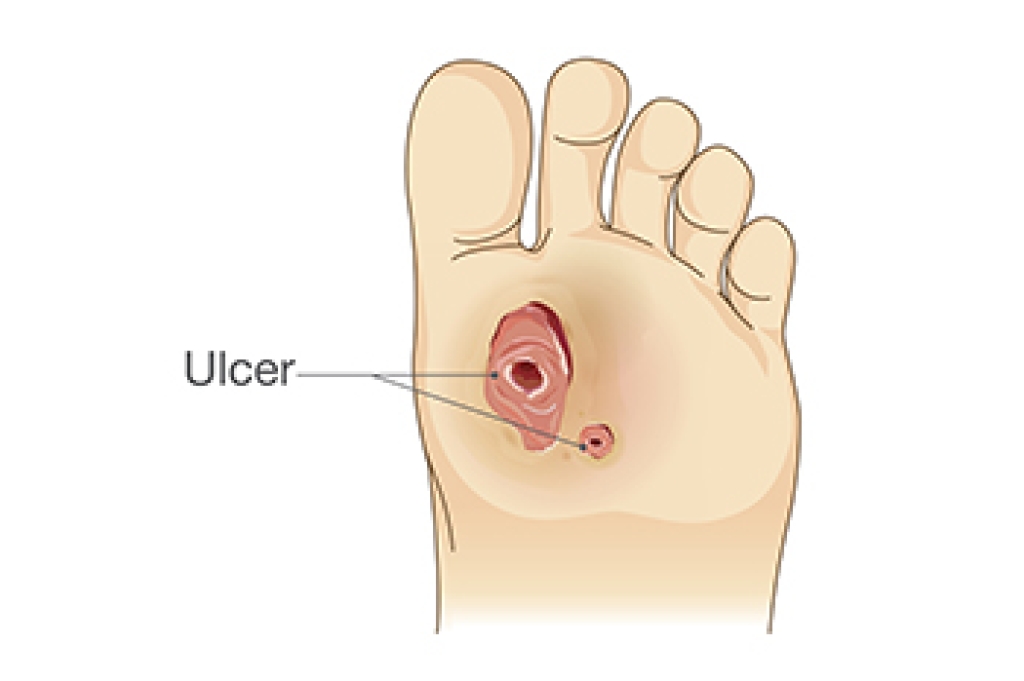

Read more about Foot Pain

Seeking Podiatric Help for Cracked Heels

Cracked heels can range from a cosmetic concern to a source of significant discomfort. Also known as heel fissures, cracked heels develop when the skin surrounding the heel becomes dry, thickened, and less flexible. As pressure is placed on the heel during standing and walking, the skin may split and form visible cracks. In mild cases, cracked heels may cause little discomfort. However, deeper cracks can lead to pain, especially during daily activities. Some individuals may also notice rough skin, flaking, or tenderness around the affected area. Because the feet support the body's weight throughout the day, heel problems can quickly interfere with comfort and mobility.

Several factors can contribute to cracked heels. Dry skin is one of the most common causes, but age, prolonged standing, and certain medical conditions may also increase the risk. Excess pressure on the heels can cause the skin to expand outward, making it more likely to crack. In some cases, the skin becomes so thick and dry that deeper fissures develop. These cracks can become painful and may make walking difficult. If left unaddressed, severe cracks can increase the risk of infection, particularly when the skin barrier is damaged. Early evaluation is important for identifying contributing factors and preventing the condition from worsening.

Podiatric care can help address cracked heels by evaluating the condition of the skin and identifying underlying causes. A podiatrist can assess the severity of the cracks and determine whether additional foot-related issues are contributing to the problem. Professional treatment may help reduce discomfort, improve skin health, and support normal foot function. Because cracked heels can become increasingly painful, seeking care before complications develop is often beneficial. Maintaining healthy feet is important for overall mobility and quality of life. If you have pain from cracked heels, it is suggested that you consult a podiatrist for an evaluation and appropriate treatment options.

If the skin on your feet starts to crack, you may want to see a podiatrist to find treatment. If you have any concerns, contact David Mansky, DPM from Mansky Podiatry. Our doctor can provide the care you need to keep you pain-free and on your feet.

Cracked Heels

It is important to moisturize your cracked heels in order to prevent pain, bleeding, and infection. The reason cracked heels form is because the skin on the foot is too dry to support the immense pressure placed on them. When the foot expands, the dry skin on the foot begins to split.

Ways to Help Heal Them

  • Invest in a good foot cream
  • Try Using Petroleum Jelly
  • Ease up on Soaps
  • Drink Plenty of Water

Ways to Prevent Cracked Heels

  • Moisturize After Showering
  • Skip a Shower
  • Keep Shower Water Lukewarm
  • Don’t Scrub Your Feet

If you are unsure how to proceed in treating cracked heels, seek guidance from a podiatrist. Your doctor will help you with any questions or information you may need. 

If you have any questions, please feel free to contact our office located in Hastings, MI . We offer the newest diagnostic and treatment technologies for all your foot care needs.
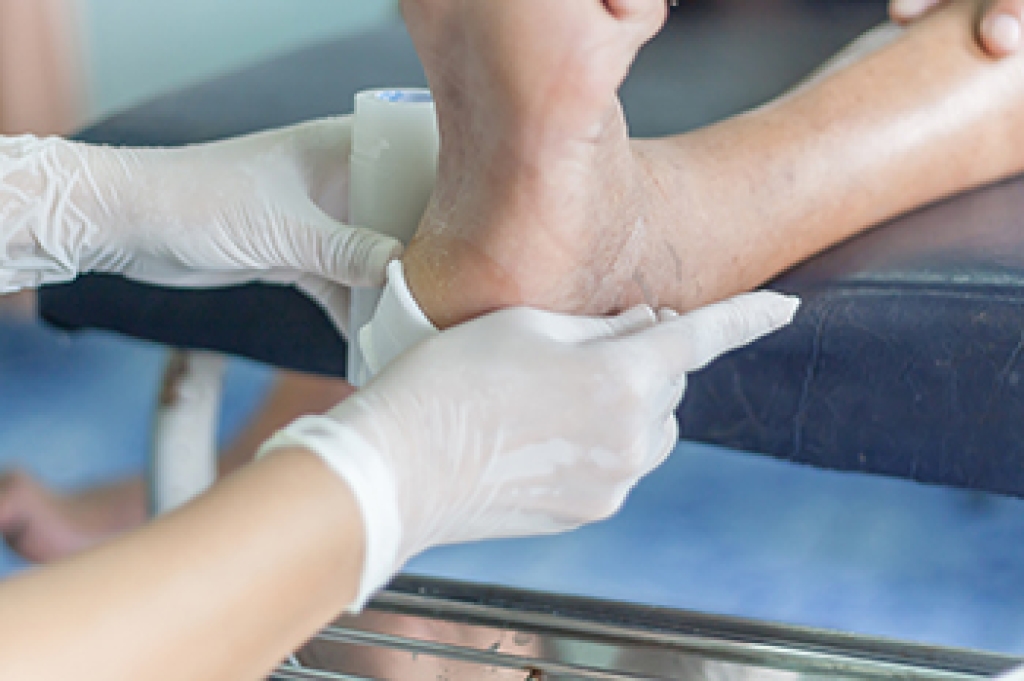
Read more about Solutions for Cracked Heels

Why Corns and Calluses Develop

Corns and calluses are areas of thickened skin that form when the foot experiences repeated pressure or friction. This is the body’s way of protecting the skin, but the buildup can become painful. Corns are usually smaller and often develop on or between the toes, while calluses tend to be broader and commonly appear on the bottom of the foot. Wearing poorly fitting shoes, foot deformities, walking mechanics, and repeated stress from daily activity can all contribute. Although these areas may seem minor, ongoing pressure can lead to discomfort, skin breakdown, and difficulty walking, especially in people with diabetes or circulation concerns. Treatment focuses on reducing the source of pressure, improving foot support, and safely managing thickened skin. Simply trimming the skin at home does not address the underlying cause. If painful thickened skin continues to return, it is suggested that you visit a podiatrist for proper evaluation and appropriate treatment.

If you have any concerns regarding your feet and ankles, contact David Mansky, DPM of Mansky Podiatry. Our doctor will treat your foot and ankle needs.

Corns: What Are They? and How Do You Get Rid of Them?
Corns can be described as areas of the skin that have thickened to the point of becoming painful or irritating. They are often layers and layers of the skin that have become dry and rough, and are normally smaller than calluses.

Ways to Prevent Corns
There are many ways to get rid of painful corns such as wearing:

  • Well-fitting socks
  • Comfortable shoes that are not tight around your foot
  • Shoes that offer support

Treating Corns
Treatment of corns involves removing the dead skin that has built up in the specific area of the foot. Consult with Our doctor to determine the best treatment option for your case of corns.

If you have any questions, please feel free to contact our office located in Hastings, MI . We offer the newest diagnostic and treatment technologies for all your foot care needs.

Read more about Corns and Calluses

Foot Injuries Related to Dancing

Dancing places repeated stress on the feet and ankles, which can lead to several common injuries. An ankle sprain occurs when ligaments are stretched or torn, often from landing awkwardly or twisting during movement. Trigger toe happens when the tendons controlling toe motion become irritated, leading to pain or stiffness during push off. Achilles tendonitis develops from overuse of the tendon that connects the calf to the heel, causing soreness and tightness at the back of the ankle. Additionally, a dancer fracture is a small break in the foot bones, usually caused by repetitive impact or sudden force during jumps. These conditions may appear as pain, swelling, reduced flexibility, or difficulty bearing weight. A podiatrist can diagnose each injury, assess severity, and guide recovery to restore strength and movement. If you have incurred a foot or ankle injury from dancing, it is suggested that you consult a podiatrist who can offer appropriate relief and treatment solutions.

Sports related foot and ankle injuries require proper treatment before players can go back to their regular routines. For more information, contact David Mansky, DPM of Mansky Podiatry. Our doctor can provide the care you need to keep you pain-free and on your feet.

Sports Related Foot and Ankle Injuries

Foot and ankle injuries are a common occurrence when it comes to athletes of any sport. While many athletes dismiss the initial aches and pains, the truth is that ignoring potential foot and ankle injuries can lead to serious problems. As athletes continue to place pressure and strain the area further, a mild injury can turn into something as serious as a rupture and may lead to a permanent disability. There are many factors that contribute to sports related foot and ankle injuries, which include failure to warm up properly, not providing support or wearing bad footwear. Common injuries and conditions athletes face, including:

  • Plantar Fasciitis
  • Achilles Tendinitis
  • Achilles Tendon Rupture
  • Ankle Sprains

Sports related injuries are commonly treated using the RICE method. This includes rest, applying ice to the injured area, compression and elevating the ankle. More serious sprains and injuries may require surgery, which could include arthroscopic and reconstructive surgery. Rehabilitation and therapy may also be required in order to get any recovering athlete to become fully functional again. Any unusual aches and pains an athlete sustains must be evaluated by a licensed, reputable medical professional.

If you have any questions please contact our office located in Hastings, MI . We offer the newest diagnostic and treatment technologies for all your foot and ankle needs.

Read more about Sports Related Foot And Ankle Injuries

Are Bunions Affecting Your Everyday Life?

Have you noticed a bony protrusion on the side of your big toe? If so, you may have developed the foot condition known as a bunion. Don't let bunions interfere with your daily activities.

Connect With Us